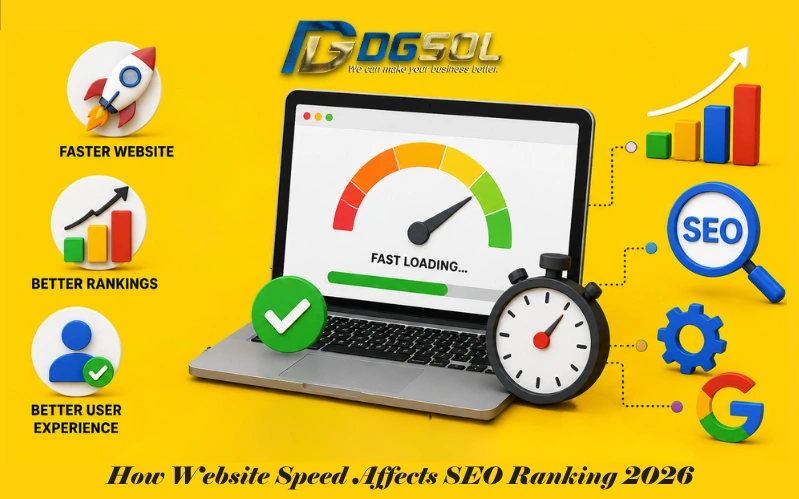
Website speed has become one of the most important factors influencing both search engine optimization (SEO) and user experience. Today’s internet users expect websites to load almost instantly, whether they’re browsing on a desktop, smartphone, or tablet. Google also prioritizes fast, user-friendly websites because its goal is to deliver the best possible search experience. Through Core Web Vitals and Page Experience signals, Google evaluates how quickly a page loads. Websites that provide a better experience are more likely to maintain stronger search visibility than slower competitors. However, a fast-loading website encourages visitors to stay longer, explore more pages, complete purchases, submit inquiry forms, and engage with your business. In contrast, slow websites often lose potential customers before they even view the content. In this guide, you’ll learn how website speed affects SEO rankings, why it matters for conversions, the common causes of slow websites, and the best practices for improving website performance for organic growth.
What Is Website Speed?
Website speed refers to how quickly a website loads and becomes fully usable for visitors. It measures the time it takes for a webpage to display its content and respond to user interactions after someone clicks on a link or enters a website address. It involves more than simply loading text and images. It also includes how quickly buttons become clickable, how stable the page remains while loading, and how smoothly users can interact with the website. Some of the most important website speed metrics include:
- Largest Contentful Paint (LCP)
Measures how quickly the main content of a webpage becomes visible to users. Faster loading improves perceived performance and user satisfaction.
- Interaction to Next Paint (INP)
Measures how quickly a website responds when users click buttons, links, or interact with page elements. Lower interaction delays create a smoother browsing experience.
- Cumulative Layout Shift (CLS)
Measures visual stability by tracking unexpected layout changes while a page loads. Stable pages prevent accidental clicks and improve usability.
Important website speed metrics that affect SEO Ranking
Website speed is no longer just a technical improvement—it has become an essential part of modern SEO. A fast website provides a better user experience, helps search engines crawl content more efficiently, and increases the likelihood of achieving stronger organic rankings.
1. Google Considers Website Speed as a Ranking Factor
Google wants to provide users with the most useful and enjoyable search experience. Fast websites help users access information quickly, which is why website speed contributes to overall search performance. Although content quality, relevance, and authority remain the most important ranking factors, Google PageSpeed Insights supports these efforts by improving the overall user experience.
2. Supports Google’s Mobile-First Indexing
Google primarily evaluates the mobile-friendly website version when crawling and indexing pages. If your website loads slowly on smartphones or delivers a poor mobile experience, it may struggle to perform well in search results.
A fast, responsive website supports:
- Better mobile usability
- Faster indexing
- Improved search visibility
- Higher engagement from mobile users
3. Improves User Experience (UX)
Website speed directly impacts how visitors interact with your website. When pages load quickly, users can easily browse content, navigate between pages, and complete important actions without unnecessary delays.
A fast website helps users:
- Find information quickly
- Browse multiple pages
- Read content comfortably
- Complete purchases
- Submit inquiry forms
- Contact your business
4. Reduces Bounce Rate
Visitors are far more likely to leave a website that loads slowly. If users cannot access your content within a few seconds, many will return to the search results and choose another website instead. Reducing loading times helps keep visitors engaged and encourages them to explore more of your website.
Common reasons visitors abandon slow websites include:
- Long loading times
- Delayed page interactions
- Poor mobile performance
- Unresponsive navigation
- Slow product pages
5. Improves Crawl Efficiency
Search engines use automated bots to discover and index webpages. When your website performs efficiently, search engine crawlers can access more pages in less time. Faster crawling improves the likelihood that new or updated content will be indexed quickly.
A technically optimized website supports:
- Better crawling
- Faster indexing
- Improved website architecture
- Stronger internal linking
- Better technical SEO
6. Improves Core Web Vitals Performance
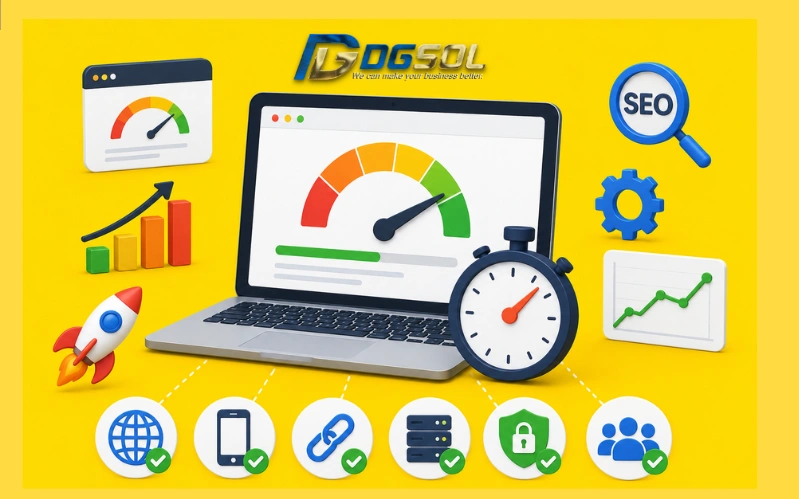
Core Web Vitals are Google’s primary performance metrics for measuring user experience. Improving these metrics helps create a faster, smoother, and more reliable website. Meeting Google’s recommended Core Web Vitals thresholds supports stronger overall website quality.
Benefits include:
- Better page experience
- Faster page loading
- Improved visual stability
- Better responsiveness
- Enhanced mobile performance
7. Increases Organic Search Visibility
Website speed contributes to stronger overall SEO by improving several important performance signals. Although website speed is only one part of a successful SEO strategy, it provides a strong technical foundation that complements content marketing, on-page SEO, link building, and local SEO.
A fast website can help:
- Increase keyword rankings
- Improve organic traffic
- Enhance click-through rates (CTR)
- Increase user engagement
- Strengthen search visibility
- Support long-term SEO growth
How Website Speed Affects User Experience and Sales
Website speed not only influences your search rankings, but it also affects how visitors interact with your website and whether they choose to become customers. Whether your goal is to generate leads, increase online sales, or improve customer engagement, website speed plays an important role in every stage of the customer journey.
1. Improves User Experience (UX)
User experience (UX) is one of the most important factors influencing website success. Visitors expect websites to load quickly and respond instantly when they click buttons, navigate menus, or browse products.
A fast website allows users to:
- Browse pages without delays
- Read content comfortably
- Navigate menus easily
- Find products or services quickly
- Complete actions without interruption
2. Reduces Bounce Rate
Bounce rate measures the percentage of visitors who leave your website without interacting with another page. Slow websites often have higher bounce rates because users lose patience before the page fully loads.
Lower bounce rates can lead to:
- Better user engagement
- More page views
- Longer browsing sessions
- Improved SEO performance
- Higher chances of conversion
3. Increases Conversion Rates
Website speed directly impacts conversion rate optimization (CRO). Every second of delay can reduce the likelihood that users will complete valuable actions. Removing delays throughout the customer journey helps businesses generate more leads and sales from website existing traffic.
A fast website makes it easier for visitors to:
- Purchase products
- Request quotations
- Submit contact forms
- Book appointments
- Download resources
- Subscribe to newsletters
4. Builds Customer Trust
Your website often creates the first impression of your business. A slow or poorly performing website may appear outdated or unreliable, causing visitors to question your credibility. A fast, secure, and responsive website helps build trust; visitors are more likely to engage with your business and complete purchases.
Features that improve customer confidence include:
- Fast page loading
- Secure HTTPS connection
- Responsive web design
- Simple navigation
- Consistent branding
- Mobile-friendly layouts
5. Improves Mobile Experience
Most internet users now browse websites using smartphones. A fast mobile website allows users to access content without unnecessary delays, regardless of their device or network speed.
Mobile optimization helps visitors:
- Browse comfortably
- Read content easily
- Tap buttons accurately
- Complete purchases
- Contact your business
6. Encourages Longer Session Duration
Visitors spend more time on websites that perform well. Longer sessions often indicate higher user satisfaction and stronger engagement.
Fast websites encourage users to:
- Read multiple articles
- Browse product categories
- View service pages
- Explore related content
7. Supports Higher Revenue
For businesses that rely on online inquiries or eCommerce sales, website speed can directly influence revenue. Even small improvements in loading speed can positively impact long-term business performance.
A fast website helps businesses:
- Generate more qualified leads
- Increase online sales
- Improve customer retention
- Reduce abandoned purchases
- Maximize marketing ROI
Common Website Speed Problems That Hurt SEO
The most common website speed problems allow businesses to identify opportunities for improvement and create a better experience for both users and search engines.
1. Large Image Files
High-resolution images improve visual appeal but can significantly slow page load times if not optimized. Large image files increase the amount of data users must download before a page becomes visible.
2. Slow Web Hosting
Your hosting provider has a major impact on website performance. Low-quality hosting often causes Slow server response, Frequent downtime, Delayed page loading, and a poor visitor experience. Choosing reliable hosting with strong performance can significantly improve loading speed.
3. Too Many Plugins
Installing unnecessary plugins increases the amount of code your website loads. Poorly optimized plugins may slow down websites, increase HTTP requests, create compatibility issues, and affect overall performance. Regularly review and remove plugins that are no longer needed.
4. Heavy JavaScript and CSS Files
Large JavaScript and CSS files require additional processing before a webpage becomes interactive. Optimizing these files by removing unused code and minifying resources helps improve loading speed.
5. Unoptimized Images
Images that are too large or improperly formatted consume unnecessary bandwidth. Compressing and optimizing images allows webpages to load much faster, especially on mobile devices.
6. No Browser Caching
Browser caching stores website files on visitors’ devices so they don’t need to download the same resources every time they visit. Enabling browser caching can improve repeat visits, reduce loading time, and enhance overall website performance
7. Too Many Redirects
Every redirect requires additional requests before users reach the intended page. Excessive redirects increase loading time and reduce efficiency. Where possible, keep URL structures simple and minimize unnecessary redirects.
8. No Content Delivery Network (CDN)
A Content Delivery Network (CDN) stores website files across multiple global servers. Visitors automatically receive content from the nearest server, reducing loading time and improving performance. CDNs are particularly useful for businesses serving customers in multiple regions.
9. Poor Mobile Optimization
Many websites perform well on desktop but load slowly on smartphones.
Common mobile issues include:
- Large images
- Small buttons
- Heavy scripts
- Poor responsive design
- Slow mobile performance
Optimizing websites specifically for mobile users improves both SEO and customer satisfaction.
10. Ignoring Core Web Vitals
Google evaluates website performance using Core Web Vitals. Ignoring these metrics can negatively affect both user experience and search performance.
Regularly monitoring:
- Largest Contentful Paint (LCP)
- Interaction to Next Paint (INP)
- Cumulative Layout Shift (CLS)
It helps businesses identify technical issues before they affect rankings.
Best Tools to Test Website Speed
When you monitor your website performance, it allows you to identify issues and continuously improve loading speed. Some of the most widely used website speed testing tools include:
1. Google PageSpeed Insights
Analyzes website performance on desktop and mobile while providing recommendations to improve Core Web Vitals and page speed.
2. Google Lighthouse
It provides detailed reports with actionable recommendations. An open-source auditing tool that evaluates:
- Performance
- Accessibility
- SEO
- Best practices
- Progressive Web Apps (PWA)
3. GTmetrix
It helps identify technical issues affecting website performance. GTmetrix offers detailed reports on:
- Loading speed
- Performance scores
- Largest Contentful Paint
- Waterfall analysis
- Optimization opportunities
4. WebPageTest
WebPageTest allows users to test website speed from multiple locations, browsers, and devices. It provides advanced performance insights suitable for developers and SEO professionals.
5. Google Search Console
Google Search Console helps monitor:
- Core Web Vitals
- Mobile usability
- Indexing issues
- Search performance
Final Thoughts
Website speed is much more than a technical SEO factor; it directly influences user experience, search visibility, and business performance. A fast and responsive website makes it easier for visitors to browse content, interact with your business, and complete important actions, while also helping search engines crawl and index your pages more efficiently. A fast website helps businesses deliver a better user experience, improve SEO performance, and increase conversions. At DGSOL Marketing, we provide website speed optimization, technical SEO audits, responsive web development, and performance optimization services tailored for businesses in Malaysia.
Contact us today to learn how website speed optimization can help improve your SEO, enhance user experience, and drive better business results.
Frequently Asked Questions
What is a good website loading speed?
A good website should ideally load in under three seconds. Faster loading times provide a better user experience and can help improve engagement, conversions, and search performance.
How can I improve my website speed?
You can improve website speed by compressing images, enabling browser caching, using a Content Delivery Network (CDN), optimizing Core Web Vitals, reducing unnecessary code, and choosing reliable web hosting.
Why is my website loading slowly?
Common causes of slow websites include large image files, poor web hosting, too many plugins, unoptimized JavaScript and CSS, excessive redirects, and poor server response times.
Does website speed affect conversion rates?
Yes. Faster websites provide a smoother browsing experience, making it easier for visitors to explore your content, complete purchases, submit enquiry forms, and interact with your business, which can lead to higher conversion rates.
Is website hosting important for SEO?
Yes. Reliable web hosting improves server response times, website uptime, and overall performance. Better hosting supports faster loading speeds, which contributes to a better user experience and stronger SEO performance.
How often should I test my website speed?
It’s a good practice to test your website speed at least once a month or after making significant updates, such as installing new plugins, redesigning pages, or publishing large amounts of content. Regular monitoring helps identify issues before they affect SEO or user experience.