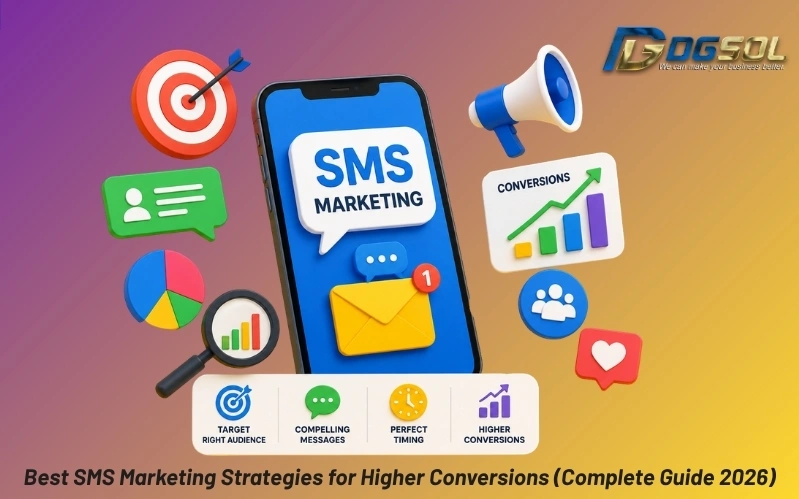
With consumers constantly connected to their mobile devices, SMS marketing has become one of the fastest and most effective ways for businesses to reach customers. SMS blasting Malaysia continues to play an important role in digital strategies. From small businesses and startups to large enterprises, organizations use bulk SMS marketing to communicate with customers, increase sales, generate leads with social media, and strengthen customer relationships. When combined with personalization, audience segmentation, and automation, it can deliver an excellent return on investment (ROI) while supporting long-term business growth. In this guide, you’ll learn what an SMS campaign is, how it works, why it remains the highest-converting channel, and the best SMS marketing strategies to improve customer engagement and increase conversion rates.
What Is SMS Marketing?
SMS marketing is the practice of sending promotional, informational, or transactional text messages directly to customers through their mobile phones. Businesses use SMS to communicate quickly, share important updates, promote products or services, and encourage customers to take specific actions. Unlike social media posts or emails that may go unnoticed, SMS messages are delivered directly to a customer’s mobile device, allowing businesses to communicate almost instantly. Because text messages are short, simple, and easy to read, they are highly effective for delivering time-sensitive information and promotional offers.
How Does SMS Marketing Work?
SMS marketing begins when customers voluntarily subscribe or opt in to receive text messages from a business. Once permission has been obtained, businesses can send targeted messages using an SMS marketing platform or bulk SMS service.
Modern platforms allow businesses to:
- Import customer databases
- Segment audiences
- Schedule campaigns
- Personalize messages
- Automate follow-up communications
- Track campaign performance
- Measure conversions
Instead of sending the same message to every customer, businesses can personalize campaigns based on customer behavior, location, purchase history, or interests. This targeted approach improves engagement and increases the likelihood of conversions.
For example, an online retailer may send:
“Hi Sarah! Enjoy 20% OFF your next purchase. Shop today before midnight.”
Types of SMS Marketing Campaigns
Businesses use different types of SMS campaigns depending on their objectives. Understanding these campaign types helps create more effective SMS marketing strategies.
1. Promotional SMS
Promotional SMS messages are designed to increase sales by informing customers about special offers, discounts, new products, or limited-time promotions.
Examples include:
- Flash sales
- Seasonal discounts
- Coupon codes
- New product launches
- Exclusive member offers
- Holiday promotions
Promotional SMS campaigns work best when they include a clear call to action and a sense of urgency.
2. Transactional SMS
Transactional messages provide customers with important information related to their purchases or interactions with your business.
Common examples include:
- Order confirmations
- Shipping notifications
- Payment confirmations
- Delivery updates
- Account verification
- Password reset codes
These messages improve customer satisfaction by providing timely and reliable updates.
3. Appointment Reminder SMS
Businesses in healthcare, education, beauty, and professional services frequently use SMS reminders to reduce missed appointments.
Appointment reminders may include:
- Consultation reminders
- Medical appointments
- Salon bookings
- Class schedules
- Service appointments
Sending reminders improves customer experience while reducing cancellations and no-shows.
4. Event Promotion
Businesses can use SMS campaigns to promote upcoming events, webinars, workshops, product launches, or special business announcements.
Examples include:
- Webinar invitations
- Store opening events
- Business seminars
- Product demonstrations
- Community events
Because it delivers messages instantly, it is highly effective for event marketing.
5. Customer Loyalty
Loyalty campaigns help businesses reward repeat customers while encouraging future purchases.
Examples include:
- Birthday greetings
- Loyalty points updates
- VIP member offers
- Anniversary rewards
- Referral bonuses
Customer retention campaigns often generate higher long-term value than constantly acquiring new customers.
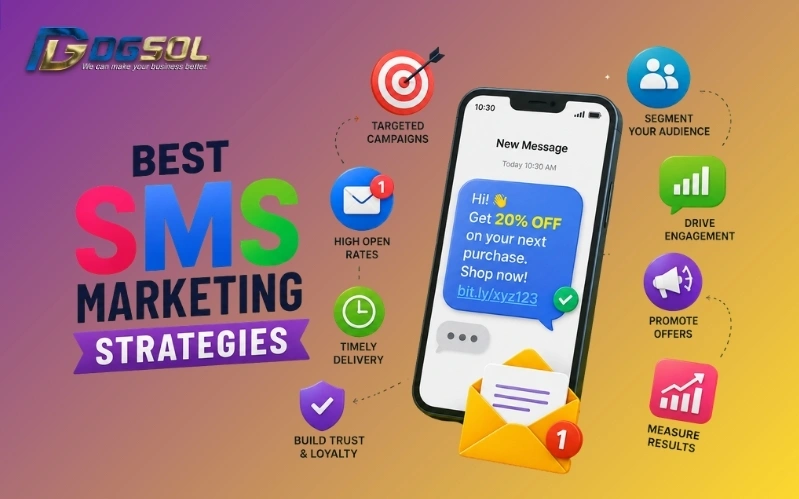
Best SMS Marketing Strategies for Higher Conversions
A successful SMS campaign strategy goes far beyond sending promotional email messages vs WhatsApp blasting. Below are some of the most effective SMS marketing strategies that help businesses increase customer engagement and drive better conversion rates.
1. Build a Permission-Based Subscriber List
Every successful SMS marketing campaign has a high-quality subscriber list. Rather than purchasing contact databases, businesses should encourage customers to voluntarily subscribe (opt in) to receive promotional messages. Permission-based marketing not only improves engagement but also builds trust and helps businesses comply with regulations. Customers who willingly subscribe are more interested in your products or services, making them more likely to respond positively to your campaigns.
Businesses can grow their subscriber list by offering:
- Exclusive discounts
- Free shipping offers
- Loyalty rewards
- Early access to sales
- Event registrations
- Website signup forms
- QR code subscriptions
- In-store promotions
2. Segment Your Audience
Not every customer has the same interests or buying behavior. Sending identical messages to everyone often results in lower engagement and fewer conversions. Audience segmentation allows businesses to create highly targeted SMS campaigns based on customer preferences.
Businesses can segment customers by:
- Age
- Gender
- Location
- Purchase history
- Shopping behavior
- Interests
- Customer loyalty
- Industry
- Previous campaign engagement
For example:
A clothing retailer can send winter promotions only to customers in cooler regions, while a restaurant can promote lunch specials to nearby customers. Targeted campaigns make messages more relevant, helping businesses improve customer engagement while increasing conversion rates.
3. Personalize Every SMS Message
Personalization is one of the most effective ways to improve SMS engagement and encourage customers to take action. Instead of sending generic promotional texts, businesses should tailor messages to individual customers whenever possible.
Simple personalization can include:
- Customer names
- Previous purchases
- Birthday greetings
- Loyalty rewards
- Product recommendations
- Personalized discount codes
Example:
Generic SMS
Get 20% off today.
Personalized SMS messages make customers feel valued, increasing trust and improving response rates.
4. Write Short, Clear, and Actionable Messages
SMS has a limited character count, making every word important. Successful SMS marketing campaigns deliver a clear message quickly while encouraging customers to take immediate action.
A well-written SMS should:
- Be concise
- Focus on one main offer
- Highlight the benefit
- Include urgency
- End with a strong call-to-action
For example:
“Flash Sale! Get 30% OFF today only. Shop now: www.example.com“
Avoid sending long paragraphs that require excessive scrolling. Simple, easy-to-read messages typically generate better engagement and higher click-through rates.
5. Include a Strong Call-to-Action (CTA)
Every SMS campaign should guide customers toward a specific action. Without a clear call-to-action (CTA), customers may read your message but fail to take the next step.
Effective CTAs include:
- Shop Now
- Book Today
- Claim Your Discount
- Register Now
- Download the Guide
- Reserve Your Seat
- Learn More
- Contact Our Team
- Redeem Your Offer
- Get Started
A strong CTA creates urgency and helps move customers through the marketing funnel more efficiently. Using action-oriented language encourages customers to respond immediately, improving SMS conversion rates and increasing campaign success.
6. Send Messages at the Right Time
Timing plays a major role in the success of an SMS marketing campaign. Even a well-written message may receive fewer responses if it’s sent when customers are busy or unavailable. Understanding your audience’s daily routine helps improve open rates, click-through rates, and conversions.
Best practices include:
- Send messages during business hours.
- Schedule campaigns based on customer behavior.
- Consider different time zones if serving multiple regions.
- Test different sending times to identify the highest engagement.
- Avoid sending promotional messages late at night or early in the morning.
7. Use SMS Automation
As your customer base grows, manually sending messages becomes time-consuming. Marketing automation allows businesses to deliver personalized SMS campaigns automatically based on customer actions or predefined schedules.
Common automated SMS campaigns include:
- Welcome messages
- Order confirmations
- Appointment reminders
- Payment reminders
- Birthday greetings
- Loyalty rewards
- Abandoned cart reminders
- Follow-up messages
- Re-engagement campaigns
Automating repetitive tasks saves time, improves customer communication, and helps businesses maintain consistent engagement.
8. Create a Sense of Urgency
Customers are more likely to act when they believe an offer is available for a limited time. Creating urgency encourages faster decision-making and helps increase SMS conversion rates.
You can create urgency by using:
- Limited-time discounts
- Flash sales
- Countdown offers
- Exclusive member promotions
- Limited stock notifications
- Seasonal campaigns
For example:
Flash Sale! Save 30% today only. Offer ends at midnight. Shop now.
Urgency motivates customers to take immediate action instead of postponing their purchase.
9. Test and Optimize Your Campaigns
No SMS marketing strategy is perfect from the start. Successful businesses continuously analyze campaign performance and make improvements based on data. A/B testing allows you to compare different versions of a campaign to determine which performs better.
Elements you can test include:
- Message wording
- Call-to-action (CTA)
- Personalization
- Promotional offers
- Message length
- Sending time
- Audience segments
- Landing pages
Regular testing helps businesses improve engagement, increase conversions, and maximize marketing ROI over time.
10. Measure Performance Using Key SMS Marketing Metrics
Tracking campaign performance is essential for understanding what works and identifying opportunities for improvement. Monitoring the right SMS marketing KPIs helps businesses optimize future campaigns and achieve better results.
Important marketing metrics include:
- Delivery rate
- Open rate
- Click-through rate (CTR)
- Response rate
- Conversion rate
- Opt-out rate
- Return on Investment (ROI)
- Revenue generated
- Cost per conversion
- Customer retention rate
By reviewing these metrics regularly, businesses can refine their SMS marketing strategies, improve customer engagement, and increase long-term profitability
SMS Marketing Best Practices
Following proven best practices helps businesses build customer trust, maintain compliance, and improve campaign performance.
Some of the most effective practices include:
- Always obtain customer consent before sending messages.
- Keep SMS messages short, clear, and relevant.
- Personalize messages whenever possible.
- Include a clear and compelling call-to-action.
- Segment your audience for targeted campaigns.
- Avoid sending messages too frequently.
- Provide real value through offers, updates, or useful information.
- Make it easy for customers to opt out.
- Test different campaign elements regularly.
- Monitor campaign performance and optimize based on results.
Common SMS Marketing Mistakes to Avoid
Even the best SMS marketing strategy can fail if common mistakes reduce customer engagement or damage your brand’s reputation. Avoiding these issues helps improve campaign performance and maintain customer trust.
1. Sending Messages Without Customer Consent
Always obtain customer permission before sending promotional SMS messages. Permission-based marketing improves engagement and helps businesses comply with privacy and communication regulations.
2. Sending Too Many Messages
Bombarding customers with frequent promotional texts can lead to unsubscribes and reduced engagement. Focus on quality rather than quantity by sending relevant messages at appropriate intervals.
3. Writing Generic Messages
Generic SMS campaigns often perform poorly. Personalized messages that include the customer’s name, interests, or purchase history are more likely to capture attention and increase conversions.
4. No Clear Call-to-Action
Every SMS should encourage customers to take a specific action. Whether it’s making a purchase, booking a consultation, or visiting your website, a strong CTA helps improve conversion rates.
5. Ignoring Audience Segmentation
Sending identical messages to every subscriber reduces relevance. Segmenting your audience based on demographics, interests, or buying behavior helps deliver more targeted and effective campaigns.
6. Not Tracking Campaign Results
Without monitoring campaign performance, businesses cannot identify what’s working or where improvements are needed. Regularly review key metrics such as open rate, click-through rate, conversion rate, and ROI to optimize future campaigns.
Future Trends in SMS Marketing (2026)
As digital growth continues to evolve, SMS marketing remains one of the most effective communication channels. New technologies are making SMS campaigns more personalized, automated, and data-driven.
- AI-Powered Personalization
Artificial Intelligence helps businesses analyze customer behavior and deliver more relevant SMS campaigns, improving engagement and conversion rates.
- Advanced Automation
Automation tools allow businesses to schedule campaigns, trigger messages based on customer actions, and manage personalized communication with minimal manual effort.
- Better CRM Integration
Modern SMS marketing platforms integrate with Customer Relationship Management (CRM) systems, enabling businesses to manage contacts, track customer interactions, and automate follow-up messages more efficiently.
- Omnichannel Marketing
Businesses increasingly combine SMS with email, WhatsApp, social media, and other communication channels to create a seamless customer experience across multiple touchpoints.
- Data-Driven Campaign Optimization
Advanced analytics provide valuable insights into customer behavior, allowing businesses to continuously improve campaign performance, increase ROI, and deliver more personalized experiences.
Final Thoughts
A well-planned SMS marketing strategy remains one of the most effective ways to engage customers, generate leads, and increase sales. With exceptionally high open rates, instant delivery, and direct communication, it enables businesses to reach customers quickly and encourage immediate action. SMS Marketing Malaysia offers a cost-effective solution for improving customer engagement, increasing conversion rates, and supporting long-term business growth. When combined with automation, CRM integration, and other digital channels such as WhatsApp, email, and social media, SMS becomes a powerful part of a comprehensive strategy. Whether you’re a small business, eCommerce store, healthcare provider, educational institution, or enterprise, implementing these best SMS marketing strategies can help you attract more customers, strengthen customer relationships, and achieve higher conversions in 2026 and beyond.
Frequently Asked Questions
How can I improve my SMS conversion rate?
It improves your SMS conversion rate by sending relevant and personalized messages, targeting the right audience, including compelling offers, creating urgency, and using clear calls-to-action.
How often should businesses send SMS marketing messages?
There is no fixed rule, but businesses should focus on sending valuable and relevant messages without overwhelming customers. Consistent, well-timed communication generally performs better than frequent promotional messaging.
Is SMS marketing better than email marketing?
SMS marketing and email marketing serve different purposes, as it is ideal for time-sensitive promotions, reminders, and instant communication. While email is better suited for detailed content, newsletters, and long-term customer nurturing.
What industries benefit most from SMS marketing?
SMS marketing is highly effective for retail, eCommerce, healthcare, restaurants, education, real estate, financial services, hospitality, events, and professional service businesses.
How do I measure SMS marketing success?
Track key performance indicators (KPIs) such as delivery rate, open rate, click-through rate (CTR), response rate, conversion rate, customer retention, and return on investment (ROI) to evaluate and improve your campaigns.
Is SMS marketing effective for small businesses?
Yes. One of the most cost-effective digital marketing channels for small businesses. It helps improve customer engagement, generate qualified leads, promote offers instantly, and build long-term customer relationships with minimal costs.