Businesses today need fast, reliable, and cost-effective ways to communicate with customers. As consumers increasingly prefer instant messaging over emails and phone calls, messaging apps have become powerful tools for marketing, customer engagement, and lead generation. Among the most popular platforms are Telegram and WhatsApp, both offering unique features that help businesses connect with their target audience. Many companies in Malaysia use these channels to send promotional campaigns, product updates, event invitations, and customer notifications. While both platforms support bulk messaging, they differ significantly in terms of audience reach, business features, automation, privacy, customer engagement, and marketing capabilities. In this guide, you’ll learn the differences between Telegram blasting vs WhatsApp blasting, compare their features, advantages, and limitations, and discover which platform is better for lead generation, customer communication, and business growth.
What Is Telegram Blasting?
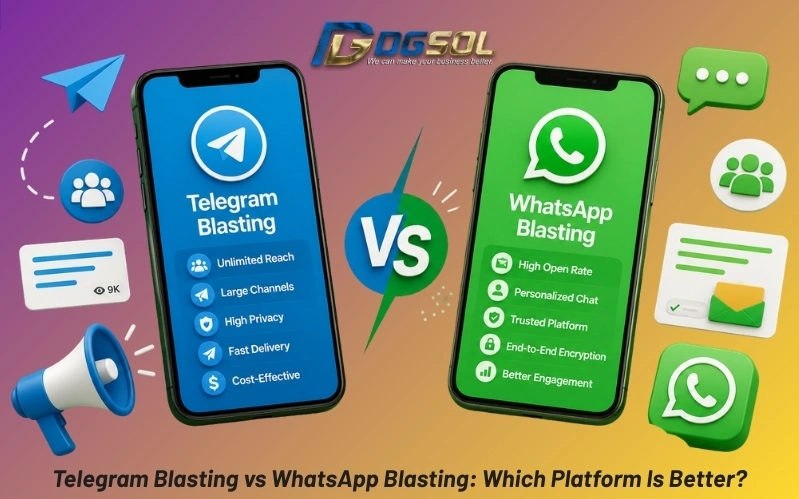
Telegram blasting is the process of sending promotional, informational, or transactional messages to a large number of users simultaneously. Businesses use Telegram channels, groups, and automation tools to distribute content quickly and efficiently without sending messages individually. Unlike traditional messaging methods, it allows businesses to reach thousands of subscribers through a single channel, making it a popular platform for announcements, promotions, educational content, and community building.
Key Features of Telegram Marketing
Telegram offers several features that make it attractive for businesses and marketers.
1. Telegram Channels
These channels allow businesses to broadcast messages to an unlimited number of subscribers. Subscribers receive updates instantly without participating in discussions, making channels ideal for news, promotions, and business announcements.
2. Telegram Groups
These groups support large communities where businesses can interact directly with customers, answer questions, gather feedback, and encourage discussions around products or services.
3. Telegram Bots
Bots improve customer service while reducing manual workload. Telegram Bots automate repetitive tasks such as customer support, Lead collection, FAQs, Appointment booking, Product recommendations, Order tracking, etc.
4. Advanced Automation
Telegram supports automation through bots and third-party integrations, allowing businesses to schedule messages, automate customer interactions, and manage campaigns more efficiently.
What Is WhatsApp Blasting?
WhatsApp blasting is the process of sending messages to multiple customers simultaneously using WhatsApp Business or its API. It enables businesses to communicate directly with customers using one of the world’s most popular messaging applications. Unlike Telegram, WhatsApp focuses on personal conversations and customer relationships. Businesses use it to deliver personalized messages, customer support, promotional offers, appointment reminders, order confirmations, and after-sales service.
Key Features of WhatsApp Marketing
WhatsApp campaigns offer several features to directly attract customers and generate more leads for businesses.
1. WhatsApp Business
WhatsApp Business helps small businesses manage customer conversations professionally by offering features such as:
- Business profile
- Business hours
- Product catalogues
- Quick replies
- Labels for customer organization
- Greeting messages
- Away messages
These tools make communication more efficient while improving the customer experience.
2. WhatsApp Business API
For growing businesses, the WhatsApp Business API enables advanced messaging capabilities, including:
- Bulk WhatsApp messaging
- Marketing automation
- CRM integration
- Chatbots
- Customer segmentation
- Multi-agent support
- Scheduled messaging
- Campaign management
This makes the API suitable for businesses handling high volumes of customer interactions.
3. Personalized Communication
It allows businesses to create one-to-one conversations that feel more personal. Messages can be customized based on customer preferences, purchase history, or previous interactions, helping improve engagement and conversion rates.
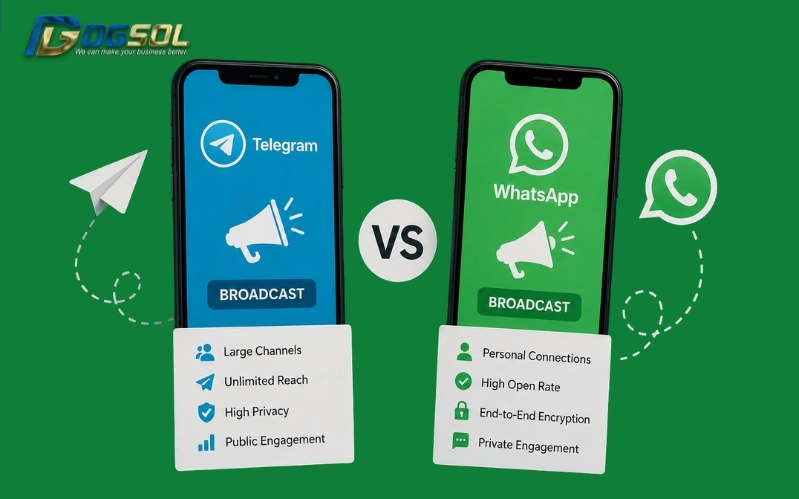
WhatsApp Blasting: Advantages and Limitations
WhatsApp marketing has become one of the most effective communication channels for businesses because it enables direct, personalized conversations with customers. Companies can automate campaigns, improve customer service, and generate qualified leads. Here are the limitations and benefits of WhatsApp blasting.
Advantages of WhatsApp Blasting
1. Massive User Base
WhatsApp is one of the most widely used messaging applications in Malaysia, making it easier for businesses to reach existing and potential customers.
2. Customer Engagement
Because conversations occur in a familiar messaging environment, customers are generally more willing to interact with businesses, ask questions, and respond to offers.
3. Personalized Communication
Businesses can send personalized messages using customer names, purchase history, or specific interests, creating a more engaging customer experience.
4. Strong Business Features
Businesses offer useful features such as business profiles, Product catalogs, Quick replies, Labels, Automated greetings, away messages, Click-to-chat links, etc.
5. Excellent Customer Support
Businesses can provide real-time assistance through product inquiries, Order tracking, Appointment confirmations, Technical support, and After-Sales service.
Limitations of WhatsApp Blasting
Despite its advantages, WhatsApp also has several limitations businesses should consider.
1. Broadcast Restrictions
Standard WhatsApp Broadcast messages are typically delivered only to contacts who have saved the sender’s phone number, which can limit campaign reach.
2. Business Policy Compliance
Businesses must follow WhatsApp’s messaging policies, including getting customer consent before sending promotional messages. Failure to comply may result in restrictions or account suspension.
3. API Requirements
Large-scale campaigns generally require the WhatsApp Business API, which often involves approval processes and integration through an authorized solution provider.
4. Less Suitable for Large Public Communities
While WhatsApp Communities and Channels continue to evolve, Telegram still provides greater flexibility for managing very large public groups and content distribution.
Telegram Blasting: Advantages and Limitations
Telegram marketing has become increasingly popular among businesses that want to build communities, distribute content at scale, and automate customer interactions.
Advantages of Telegram Blasting
1. Unlimited Channel Subscribers
Unlike many messaging platforms, Telegram Channels can accommodate an unlimited number of subscribers, making them ideal for announcements, promotions, and content distribution.
2. Advanced Automation
Telegram bots can automate many business processes, including customer inquiries, Lead collection, Appointment booking, etc. It reduces manual work while improving customer response times.
3. Flexible Community Building
Telegram supports large Groups and Channels, allowing businesses to create active communities where members can share ideas, ask questions, and engage with the brand.
4. Large File Sharing
It allows businesses to share larger files, documents, videos, and presentations more easily than many other messaging platforms, making it suitable for educational content and digital resources.
5. Lower Messaging Restrictions
It generally offers greater flexibility for broadcasting messages to subscribers without some of the contact-saving limitations found on WhatsApp broadcasts.
Limitations of Telegram Blasting
Although Telegram provides excellent broadcasting capabilities, it may not suit every business.
1. Smaller Consumer Adoption
While Telegram continues to grow, it remains the more widely used messaging platform in Malaysia. Businesses targeting the general consumer market may reach a larger audience.
2. Lower Direct Customer Interaction
Many Telegram users join Channels mainly to receive updates rather than engage in one-to-one conversations with businesses.
3. Fewer Native Business Features
Telegram offers powerful bots and automation but lacks some built-in commerce features available in WhatsApp Business, such as product catalogs and business profiles.
4. Requires Community Building
A successful Telegram marketing strategy often depends on building and maintaining an active subscriber base, which may take more time than reaching customers already using WhatsApp for business communication.
Telegram Marketing vs WhatsApp Marketing: Which Is Better?
Both Telegram marketing and WhatsApp marketing are powerful digital marketing channels, but they serve different business objectives. The best platform depends on your target audience, communication style, and overall marketing strategy.
Telegram Marketing Is Best For
It focuses on reaching large audiences through channels, groups, and automated bots. It is ideal for businesses that want to build communities, share educational content, and distribute updates to thousands of subscribers at once. Telegram is an excellent choice for businesses that prioritize content distribution and audience growth.
It works well for:
- Educational institutions
- Online communities
- News publishers
- Technology companies
- Cryptocurrency projects
- Membership-based businesses
- Gaming communities
- Event organizers
WhatsApp Marketing Is Best For
On the other hand, it emphasizes personalized communication. It allows businesses to interact directly with customers, answer inquiries, nurture leads, and provide customer support, making it highly effective for generating conversions and building long-term relationships. It is better suited for businesses that rely on direct customer interaction and sales.
It is ideal for:
- Retail businesses
- Restaurants
- Healthcare providers
- Real estate agencies
- E-commerce stores
- Professional service providers
- Local SMEs
- Customer support teams
Can Businesses Use Both Platforms Together?
Yes. Many businesses achieve the best marketing results by using both Telegram and WhatsApp as part of an omnichannel marketing strategy. Rather than choosing one platform, businesses can leverage the strengths of each.
For example:
- Use Facebook or Google Ads to drive traffic.
- Invite users to join a Telegram Channel for educational content and company updates.
- Encourage interested users to contact the business through WhatsApp for inquiries, consultations, or purchases.
- Use CRM software to manage leads and automate follow-ups.
This combination helps businesses:
- Reach a wider audience
- Improve customer engagement
- Generate more qualified leads
- Increase conversion rates
- Build long-term customer relationships
Common Messaging Marketing Mistakes to Avoid
Avoid these common mistakes to improve campaign performance and maintain customer trust.
- Sending messages without customer permission
- Sending too many promotional messages
- Ignoring customer replies
- Using generic, non-personalized content
- Failing to segment your audience
- Having no clear call-to-action
- Not tracking campaign performance
- Overusing automation
- Violating platform messaging policies
- Providing inconsistent customer support
Future of Messaging Marketing in 2026
Messaging marketing continues to evolve as businesses adopt new technologies and customer expectations change. Several trends are expected to shape the future of Telegram marketing and WhatsApp marketing.
- AI-Powered Chatbots
Artificial Intelligence will continue improving customer service through faster responses, smarter recommendations, and automated conversations.
- Advanced Marketing Automation
Businesses will increasingly automate tasks such as: Lead nurturing, Appointment reminders, Promotional campaigns, Customer follow-ups, and Order notifications.
- Better CRM Integration
Modern messaging platforms will integrate more closely with CRM systems, allowing businesses to manage customer conversations, sales pipelines, and marketing campaigns from a single platform.
- Personalized Customer Experiences
Businesses will use customer insights to deliver more relevant offers, improving engagement and conversion rates.
- Omnichannel Marketing
Companies will combine messaging platforms with email, SMS, social media, and websites to create seamless customer experiences across multiple channels.
Final Verdict
There is no single platform that suits every business. The right choice depends on your marketing objectives, target audience, and communication strategy.
Choose Telegram Blasting if you want to:
- Build large online communities
- Broadcast content to unlimited subscribers
- Share educational resources
- Automate interactions with bots
- Increase brand awareness
Choose WhatsApp Blasting if you want to:
- Generate qualified leads
- Improve customer engagement
- Provide real-time customer support
- Increase sales and conversions
- Build stronger customer relationships
For many businesses, especially SMEs in Malaysia, the most effective strategy is to use both Telegram and WhatsApp together. With a well-planned digital marketing strategy, businesses can maximize reach, improve engagement, and achieve sustainable business growth.
Contact us today for a free consultation and find the best messaging solution for your business.
Frequently Asked Questions
Is WhatsApp blasting legal in Malaysia?
Yes. Businesses should obtain customer consent before sending promotional messages and comply with WhatsApp’s Business Messaging Policy and privacy regulations.
Can Telegram be used for marketing?
Yes. Businesses can use Telegram channels, groups, and bots to promote products, share updates, engage with communities, and distribute content to subscribers.
Which platform has better customer engagement?
WhatsApp generally delivers higher customer engagement because it supports direct, one-to-one conversations and personalized messaging.
What is the WhatsApp Business API?
The WhatsApp Business API is a business communication solution that enables large-scale messaging, automation, CRM integration, chatbots, and customer support for growing businesses.
Can I automate Telegram marketing?
Yes. Telegram supports automation through bots that can handle customer inquiries, send notifications, manage campaigns, and perform other business tasks.
Should businesses use both Telegram and WhatsApp?
Yes. Combining both platforms allows businesses to reach a wider audience, improve customer engagement, nurture leads, and support long-term business growth through an omnichannel marketing strategy.